Thenna Andersen
Your dining room may have a table and chairs, yet still feel flat or unfinished. Dark academia dining room decor can change that mood with deep color, aged wood, warm light, and small details that feel gathered over time. Picture walnut beneath your hands, candlelight across old silver, and shelves filled with books that invite guests to linger after dinner.
I put this guide together for anyone who loves vintage dining rooms, European libraries, and scholarly style but does not want a space that feels cold or staged. You may be decorating a formal dining room, refreshing a breakfast nook, or working with a small apartment. You can use these ideas at any budget. You do not need a room full of rare antiques. A vintage dining table, an old-looking frame, or a single brass lamp can set the right tone.
The 17 ideas ahead show you how to build that mood one layer at a time. You will see ways to choose wood furniture, soften dark walls, arrange books, mix antique decor with useful serving pieces, and make candlelight work for everyday meals. You will also learn how to keep a small room from feeling too heavy. Start with one anchor piece, then add color, texture, and light until the room feels like it has its own story.
Key Takeaways
- Begin with an aged wood anchor. A walnut vintage dining table can set the room’s color and mood. Pair it with chairs that have worn leather, dark fabric, or carved wood details.
- Use dark color with balance. Deep green, brown, navy, and oxblood create a library-like feel. Add warm bulbs, pale linen, a mirror, or a faded rug so the room does not feel closed in.
- Let storage become part of the decor. Built-in shelves, a tall bookcase, or an antique sideboard can hold books, ceramics, glassware, and serving tools while adding height and character.
- Mix old pieces with daily comfort. Antique decor looks best when you can use it. Combine old silver, linen napkins, sturdy dishes, and comfortable chairs for a room that works on both busy nights and special meals.
- Build the mood through small layers. Candles, classical artwork, heavy curtains, dark botanical details, and a Persian-style rug can make a plain room feel personal without a full remodel.
1. Let a Walnut Vintage Dining Table Set the Mood

A walnut dining table gives your room an instant sense of history, warmth, and quiet importance. Its deep brown grain pairs beautifully with oxblood chairs, aged brass lighting, and cream linen. Look for turned legs, a thick apron, or a drop-leaf shape to create the feeling of a European library gathered over time.
Choose character over perfection. Small scratches, faded edges, and uneven tones make the table feel lived in, while beeswax polish can refresh dry wood without removing its story. Measure carefully, leaving at least 36 inches around the table for comfortable movement.
Build your table around these practical choices:
– Choose walnut or dark oak for a scholarly foundation
– Check joints and legs for wobbling or old repairs
– Leave the wood visible beneath a narrow linen runner
– Select a round pedestal table for smaller dining rooms
A sturdy vintage table becomes the room’s natural gathering point. Its worn grain adds tactile depth, while surrounding materials make the entire space feel warm, useful, and collected.
Let a Walnut Vintage Dining Table Set the Mood
Editor’s Choice


2. Turn Built-In Shelves Into a Dining Room Library

Built-in shelves can turn an ordinary dining room into a private library with very little decoration. Paint the backing forest green, charcoal, or warm brown so cream ceramics, brass objects, and faded book covers stand out. This dark background creates depth and makes the shelves feel connected to the room instead of simply attached to a wall.
Use restraint when arranging the display. Leave open spaces between book groups, and keep fragile objects away from chair backs, radiators, and strong sunlight. Renters can create a similar effect with tall bookcases, dark paint, and simple crown molding added along the top.
Arrange your shelves with these easy techniques:
– Group books by color, height, or subject
– Add one sculptural object beside each book group
– Repeat aged brass, wood, or cream ceramic accents
– Reserve lower shelves for baskets and serving linens
A well-planned dining library feels thoughtful rather than crowded. Books bring intellectual charm, while useful storage keeps the room practical for everyday meals and gatherings.
3. Use Oxblood Chairs for a Rich, Library-Lounge Feel

Oxblood chairs add rich color without making your dining room feel loud. The shade blends burgundy and brown, so it works naturally with walnut tables, forest green walls, and aged brass. Leather creates a traditional club-room mood, while velvet offers a softer and more romantic finish.
You do not need identical chairs to create a polished arrangement. Choose seats with a shared wood tone, height, or shape, then place upholstered host chairs at each table end. Check vintage frames for strong joints, and replace worn fabric with linen, wool, velvet, or distressed leather when needed.
Choose seating materials that support comfort and style:
– Pair oxblood leather with dark walnut furniture
– Use forest green velvet for soft color contrast
– Select charcoal linen for a quieter dining atmosphere
– Add slim cushions to hard wooden chairs
Comfort gives the room its welcoming quality. Rich upholstery, carved legs, and woven textures help the chairs feel collected, while supportive proportions make long dinners more enjoyable.
4. Add Dark Paneling or a Patinated Paint Finish

Dark walls create the quiet, enclosed mood that makes dark academia dining rooms feel so inviting. Wood paneling offers a classic European library effect, while charcoal, muddy olive, deep brown, and blue-black paint provide a lower-cost alternative. These colors also make warm lighting and natural wood appear richer.
If full paneling feels too heavy, install simple box molding across the lower wall and paint everything in related shades. Renters can use removable molding or subdued peel-and-stick wallpaper. Test samples beside evening lamps because deep colors can change dramatically from daylight to warm bulbs.
Shape the wall treatment with these practical ideas:
– Paint the shelf backing darker to create added depth
– Keep ceilings lighter in rooms with low height
– Repeat wall colors through rugs or ceramic pieces
– Use matte finishes for a softer aged appearance
A thoughtful wall treatment makes antique furniture feel grounded instead of scattered. Matte paint, gentle candlelight, and natural wood create layers that feel historic, cared for, and comfortable.
5. Make Lighting Feel Like Evening at an Old Estate

Layered lighting gives a dining room the warm glow of an old estate at dusk. Combine an aged brass chandelier above the table with wall sconces, a sideboard lamp, and a few candles. Different heights create shadows and highlights that reveal wood grain, linen folds, and the edges of old books.
Choose bronze, aged brass, or dark metal fixtures with frosted shades for softer light. Bulbs between 2200K and 2700K create a candlelike tone, while dimmers let you shift easily from dinner to homework or cleaning. Have antique fixtures inspected before regular use.
Build a welcoming lighting plan with these choices:
– Install one table-sized chandelier over the dining surface
– Add two sconces for warm wall-level depth
– Place a small lamp on the sideboard
– Use unscented candles safely around the centerpiece
The goal is not a gloomy room. Warm, layered light makes dark colors feel intimate and lets every natural texture remain visible.
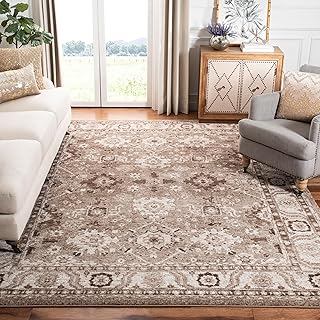
6. Ground the Room With a Faded Persian Rug

A faded Persian rug gives your dining room a settled, finished feeling. Muted reds, tobacco browns, dusty greens, and cream details echo the colors found in dark academia interiors. Persian, Turkish, and Caucasian patterns work especially well because their softened designs feel collected rather than newly matched.
Choose a rug large enough for chairs to remain on it when pulled back. An 8-by-10-foot rug often suits a six-seat table, but measure the room and chair movement first. Wool offers durability, while a low pile makes cleaning and sliding chairs easier. A quality rug pad prevents bunching and protects the floor.
Make your rug work harder with these tips:
– Select faded wool patterns for texture and durability
– Extend the rug at least 24 inches beyond the table
– Repeat one rug color in upholstery or curtains
– Blot spills gently instead of scrubbing the pile
The rug softens footsteps and reduces echo during conversation. Even a budget washed-wool design can supply the warmth, texture, and gentle age cues that make vintage furniture feel at home.
Ground the Room With a Faded Persian Rug
Editor’s Choice



7. Build a Quiet Gallery of Classical Artwork

Classical artwork gives a dining room the feeling of having a past. Oil portraits, stormy landscapes, botanical plates, still lifes, and architectural sketches all suit the dark academia palette. Choose related mood rather than matching subjects, using dark wood, aged black, or soft gilt frames to connect the collection.
Begin with one large painting over a sideboard, then add smaller pieces around it. Keep the center of the arrangement near seated eye level, and leave 6 to 10 inches between artwork and furniture below. Reproductions work well when the image has softened color and the frame feels substantial.
Create a balanced collection with these additions:
– Hang one large oil painting as the visual anchor
– Mix botanical studies with charcoal architectural sketches
– Combine dark wood and aged-gold frames
– Leave open wall space around smaller pieces
Choose images you enjoy seeing during long meals. A thrifted landscape can feel deeply personal when warm lighting, antique furniture, and layered textures give it a thoughtful setting.
8. Add an Antique Sideboard for Beauty and Storage

An antique sideboard adds storage, serving space, and an old-world focal point to your dining room. Choose dark wood, painted sage, or warm honey oak according to the contrast your room needs. Carved doors, brass pulls, and gentle wear add character without preventing the cabinet from holding linens, dishes, candles, and serving tools.
Keep the top useful rather than covering it with small accessories. Place a mirror or painting above the sideboard, then add a brass lamp, ceramic bowl, or short stack of books. Inside, use shallow trays to separate cutlery and napkins, especially when old shelves have awkward depths.
Style the sideboard with these practical layers:
– Place one tall object slightly off center
– Add a rounded ceramic bowl or pottery vase
– Include aged metal through a tray or lamp
– Leave one-third of the surface open for serving
A sideboard should support the table, not compete with it. Its useful storage keeps the room calm, while wood, metal, and ceramic textures add a convincing layer of antique character.
9. Layer the Table With Linen, Ceramics, and Old Silver

A welcoming dark academia table setting should look ready for dinner, not protected from daily life. Begin with washed linen in cream, charcoal, olive, or faded blue, allowing some walnut or oak to remain visible. Add hand-thrown plates, transferware, and softly colored glass for gentle variation and an inherited feel.
Keep patterned dishes balanced with plain linens and simple metalware. Loosely folded napkins can wear velvet ribbon, leather cord, or a small herb stem. Check old ceramics for cracks and worn glaze, and use decorative silver only when its finish is safe for food.
Build a useful setting with these material choices:
– Layer cream linen over visible wood grain
– Pair handmade plates with lightly colored vintage glasses
– Use brushed silver or aged brass utensils
– Add oxblood, charcoal, or olive cloth napkins
Wood, linen, ceramic, and metal create enough visual interest without clutter. These tactile materials make everyday meals feel special while preserving the relaxed character of vintage dining room design.
10. Make Candles the Centerpiece

Candles bring warmth and movement to a dark dining room, especially when their glow touches brass, wood, and deep wall colors. Use several holders at varied heights, but keep the display low enough for guests to see across the table. Aged brass, pewter, and tarnished silver all fit the scholarly mood.
Try unscented beeswax or taper candles during meals so fragrance does not compete with food. Keep flames away from napkins, curtains, books, and dry flowers, and use stable holders with broad bases. Battery candles can safely add flicker inside shelves or near fabrics when they have a soft amber tone.
Build a simple centerpiece with these options:
– Group three brass candlesticks around low greenery
– Fill a ceramic bowl with pears or walnuts
– Arrange unscented tapers on a pewter tray
– Circle short votives around a linen runner
A slightly uneven arrangement feels gathered rather than staged. Leave plenty of table wood visible so candlelight enhances the vintage furniture instead of hiding its grain.
11. Hang an Ornate Mirror to Bounce Warm Light

An ornate mirror can make a dark dining room feel brighter and more spacious while preserving its intimate mood. Look for carved wood, tarnished gilt, or dark metal frames with gentle wear. Softened edges and small age marks often feel more natural beside antique furniture than a perfectly polished modern mirror.
Place the mirror where it reflects a chandelier, window, painting, or bookshelf. Above a sideboard is a classic choice, while a securely anchored tall mirror can lean against paneled walls for a relaxed look. Check the reflection from the dining table before deciding on its final position.
Improve the room with these mirror placement tips:
– Hang an aged frame above a narrow sideboard
– Reflect warm lighting instead of a blank wall
– Center the glass near seated eye level
– Repeat the frame’s metal or wood nearby
The right reflection doubles candlelight and adds visual depth. A vintage mirror also gives renters an architectural feeling without construction, while patinated materials keep the room from looking too polished.
12. Style Shelves With Leather-Bound Books

Leather-bound books bring color, texture, and a sense of curiosity to dining room shelves. Brown, oxblood, forest green, and charcoal covers create a calm rhythm beside dark wood. Mix leather volumes with faded cloth bindings, plain journals, and a few horizontal stacks so the display feels lived in rather than staged.
Arrange books in groups of three to eight, then interrupt each group with one personal object. A ceramic bird, brass magnifier, wooden box, or marble paperweight adds interest without overwhelming the shelves. Keep valuable books away from candles, radiators, and sunlight, and use decorative reproductions when protection matters.
Give the collection a relaxed structure with these ideas:
– Sort books loosely by color, size, or subject
– Stack larger volumes horizontally as low platforms
– Add bookends in aged metal or warm wood
– Keep favorite books within easy reach
Your shelves should suggest reading rather than performance. Family albums, poetry, history, gardening, and cookbooks make the room feel human, while worn bindings add the tactile depth that scholarly interiors need.
Style Shelves With Leather-Bound Books
Editor’s Choice


13. Frame the Windows With Heavy Linen or Velvet

Window treatments soften hard architectural lines and control the mood of a dining room throughout the day. Heavy linen creates a relaxed old-house feeling, while velvet adds richer warmth and drama. Cream, tobacco, olive, charcoal, and faded oxblood work better than bright white beside dark wood and antique pieces.
Hang curtain rods higher and wider than the window frame when possible, allowing fabric to stack outside the glass. Floor-length panels add height and make evening light feel softer. If strong afternoon sun enters the room, pair linen sheers with heavier side panels for glare control and privacy.
Choose window details that support daily use:
– Hang floor-length linen panels for relaxed texture
– Select aged brass or dark wood curtain rods
– Repeat curtain colors in rugs or chair upholstery
– Steam wrinkles gently instead of flattening the fabric
Fabric also absorbs sound, helping large rooms feel more intimate during conversation. Linen and velvet add tactile richness without another busy pattern, making them useful when artwork and rugs already provide visual detail.
Frame the Windows With Heavy Linen or Velvet
Editor’s Choice


14. Mix Antique Finds With Useful Serving Pieces

The most convincing dark academia dining rooms mix beautiful objects with pieces that serve a purpose. A flea-market brass tray, carved wooden bowl, ceramic pitcher, or silver creamer can add more personality than a matching accessory set. Choose materials already found in the room so varied decades still feel connected.
Shop with measurements and safety in mind. Check antique pieces for pests, strong odors, unstable bases, and flaking finishes. Decorative painted objects should stay away from food unless their finish is known to be safe, while modern serving dishes can handle everyday meals without sacrificing the room’s character.
Build a useful collection with these finds:
– Choose one serving tray for practical beauty
– Add a tall candlestick or vase for height
– Select a carved box for strong texture
– Include one washable linen runner or napkin set
Resist buying every interesting object you see. A smaller collection feels more believable, leaves room for use, and lets meaningful discoveries gather slowly around the dining table.
Mix Antique Finds With Useful Serving Pieces
Editor’s Choice


15. Bring in Dark Botanical Details

Dark botanical details keep a scholarly dining room from feeling too serious or still. Deep green leaves, sculptural branches, and old-fashioned plant shapes work beautifully with walnut, charcoal, and oxblood. Try ivy, a rubber plant, a fern, olive branches, or clipped stems in a heavy stoneware pitcher according to the room’s light.
Use aged terracotta, dark ceramic, brass, or weathered wood for containers rather than shiny plastic. Protect furniture with saucers, and place plants where they do not block artwork, shelves, pathways, or candle flames. In smaller rooms, a single tall plant or a clipped branch may provide enough natural movement.
Add greenery with these manageable choices:
– Place olive branches in a heavy ceramic pitcher
– Set a small fern on a filtered-light sideboard
– Use a dark-leaf rubber plant in terracotta
– Hang trimmed ivy from a high shelf
Organic shapes soften dark colors and bring a quiet conservatory feeling indoors. Cream flowers, burgundy blooms, and dried stems add color without disturbing the room’s aged, thoughtful atmosphere.
16. Make a Small Dining Room Feel Like a Private Study

A small dining room can still feel like a private European study when every piece earns its place. A round pedestal table takes up less visual space than a bulky rectangular design, while one wall-mounted shelf can provide the feeling of a library. Choose fewer objects, but let each one have strong material or color.
Use one deep wall color to make the room feel intentional. A mirror opposite a window can reflect light, and a slim sideboard can replace a large cabinet. Open-back chairs, narrow legs, and hidden storage keep more floor visible, helping the room feel lighter without losing its scholarly mood.
Use these space-saving design choices:
– Choose a round pedestal table for easier movement
– Hang one large artwork instead of many small pieces
– Install a tall mirror to reflect warm light
– Select a slim pendant or compact chandelier
Keep the centerpiece simple, perhaps one brass holder or ceramic bowl. Careful scale, dark color, and open floor space can turn even a narrow dining area into a tucked-away library retreat.
17. Mix Modern Comfort With Old-World Character

A dark academia dining room should feel historic without making everyday life difficult. Pair an antique table, classical artwork, and warm lighting with quiet modern comforts such as a dimmer, washable rug pad, supportive chair insert, or hidden charging station. These updates improve the room while allowing its older materials to remain the focus.
Keep modern additions simple and visually quiet. A slim speaker can sit behind books, a contemporary cushion can wear linen in a traditional color, and clear protective mats can guard antique surfaces. Charcoal walls, walnut furniture, and cream textiles help newer pieces feel connected to the room’s established palette.
Balance old and new with these practical choices:
– Hide technology behind books or inside the sideboard
– Use warm dimmable bulbs instead of cool white light
– Choose modern textiles in natural traditional colors
– Add clear surface protectors that disappear from view
This approach lets the room welcome homework, celebrations, quick breakfasts, and long dinners. Old wood supplies soul, while thoughtful modern details provide comfort without disturbing the timeless atmosphere.
Conclusion: Let the Room Gather Its Own Story

The strongest dark academia dining room decor comes from patience, texture, and pieces that feel worth keeping. Begin with a vintage dining table, then add warm lighting, old books, artwork, textiles, and antique decor in a way that suits how you actually live.
Let the room change over time. A flea-market candlestick, a new-to-you painting, or a well-loved linen napkin can make the space feel more personal than a perfectly matched set. That is the charm of vintage dining room design: it welcomes history, comfort, and a little beautiful imperfection.
Note: We aim to provide accurate product links, but some may occasionally expire or become unavailable. If this happens, please search directly on Amazon for the product or a suitable alternative.
This post contains Amazon affiliate links, meaning we may earn a small commission if you purchase through our links, at no extra cost to you.
Frequently Asked Questions
How Do You Create a Dark Academia Dining Room?
Start with a moody, layered foundation that feels collected rather than overly themed. Paint the walls in deep shades such as forest green, charcoal, burgundy, navy, or warm brown, then add a vintage dining table in dark wood for instant character.
Complete the look with upholstered chairs, aged brass lighting, framed artwork, and shelves filled with books or collected objects. The secret to successful dark academia dining room decor is mixing rich textures—wood, velvet, leather, linen, and aged metal—so the space feels warm, scholarly, and inviting.
What Colors Work Best for a Dark Academia Dining Room?
The best palette combines deep, dramatic colors with warm neutrals. Consider olive green, oxblood, espresso brown, navy, charcoal, and antique gold as your main shades, then soften them with cream, tan, or muted beige.
If your dining room is small or lacks natural light, use a lighter warm neutral on the walls and bring in darker tones through curtains, rugs, chairs, and antique decor. This approach keeps the room atmospheric without making it feel closed in.
How Do You Choose a Vintage Dining Table for This Style?
Look for a table with visible craftsmanship and a sense of history, such as turned legs, carved details, an aged finish, or beautifully distressed wood. Oak, walnut, mahogany, and pine are especially effective in a scholarly style dining room.
Before buying, measure the room carefully and leave at least 36 inches around the table for comfortable movement. An extendable antique table is a practical choice because it can feel intimate during everyday meals and accommodate guests during dinner parties.
Minor scratches and patina can add charm, but check that the frame is sturdy and the surface can be cleaned or refinished if needed.
What Lighting Should You Use in a Dark Academia Dining Room?
Choose lighting that creates a soft, golden glow instead of harsh overhead brightness. A vintage chandelier, aged-brass pendant, or candle-style fixture can become a dramatic focal point above the dining table.
Layer the lighting with wall sconces, table lamps, and candleholders placed on a sideboard or console. Use warm bulbs around 2700K to enhance wood tones and make the room feel like a timeless European library. Installing a dimmer switch is especially useful for shifting from bright family meals to atmospheric evening entertaining.
How Can You Add Antique Decor Without Making the Dining Room Feel Cluttered?
The easiest way is to choose a few meaningful statement pieces instead of filling every surface. A large oil painting, antique mirror, old map, brass candlestick collection, or carved wooden cabinet can provide plenty of personality on its own.
Create visual balance by grouping smaller objects in threes, such as books, a ceramic vase, and a framed photograph on a sideboard. Leave some open space around each arrangement so the room can breathe.
For a polished dark academia dining room decor scheme, combine old pieces with simple contemporary essentials—plain linen napkins, streamlined dinnerware, or modern chairs—so the antique decor feels intentional rather than fussy.

 Thenna Andersen